
Swimming is an excellent way to stay active and have fun, but exposure to chlorine, saltwater, bacteria, and debris can sometimes irritate your eyes. Protecting your eyes while swimming is important for maintaining comfort, preventing infections, and improving visibility in the water.
At My Swim Gear, we’re here to help you find the best deals on high-performance competitive goggles, so you can train harder, swim faster, and stay focused on winning every lap.
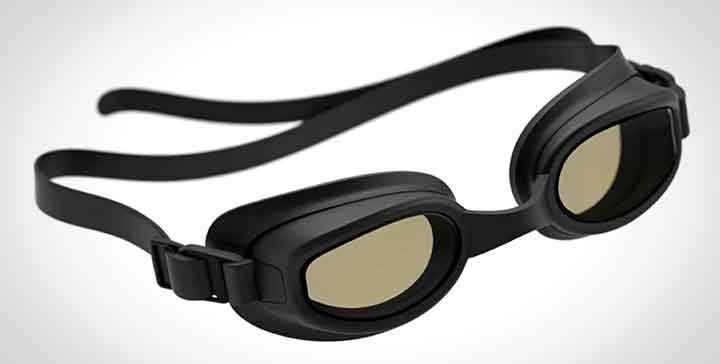
One of the best ways to protect your eyes while swimming is by wearing swimming goggles. Goggles create a protective seal around your eyes and help prevent water, chlorine, salt, and bacteria from causing irritation.
Benefits of Swimming Goggles
- Protect eyes from chlorine and chemicals
- Reduce redness and burning
- Improve underwater visibility
- Prevent irritation from saltwater
- Help keep debris away from the eyes
Choosing comfortable, well-fitted goggles can make swimming much safer and more enjoyable.
Choose the Right Goggles
Not all goggles fit the same way. A good pair should feel secure without being too tight.
Features to Look For
- Anti-fog lenses
- UV protection for outdoor swimming
- Adjustable straps
- Soft silicone seals
- Prescription lenses if needed
Properly fitted goggles reduce leaks and minimise pressure around the eyes.
Avoid Wearing Contact Lenses in the Water
Swimming while wearing contact lenses can increase the risk of eye infections because water may contain harmful microorganisms. Water can also trap bacteria between the contact lens and the eye.
If you need vision correction while swimming, prescription swimming goggles are often a safer option.
Rinse Your Eyes After Swimming
After swimming, rinse your eyes with clean fresh water to remove chlorine, salt, or other irritants. This simple step can help reduce dryness and redness.
Some swimmers also use lubricating eye drops after swimming to relieve irritation.
Avoid Opening Your Eyes Underwater Without Goggles
Opening your eyes underwater without protection can expose them to chemicals and bacteria. Chlorinated pool water and saltwater may cause stinging, blurry vision, or irritation.
If you are not wearing goggles, it is best to keep your eyes closed underwater whenever possible.
Take Breaks During Long Swim Sessions
Long periods in the water can dry out your eyes, especially in heavily chlorinated pools. Taking short breaks between swim sessions can help your eyes recover and stay comfortable.
Keep Your Goggles Clean
Dirty goggles can collect bacteria and reduce visibility. Rinse your goggles with fresh water after each swim and allow them to air dry naturally.
Avoid wiping the inside of anti-fog lenses, as this may damage the protective coating.
Protect Your Eyes Outdoors
When swimming outdoors, sunlight can also affect your eyes. Goggles with UV protection help shield your eyes from harmful sun exposure during outdoor swimming sessions.
Tinted lenses may also help reduce glare in bright conditions.
Watch for Signs of Eye Irritation
Pay attention to symptoms such as:
- Redness
- Burning
- Excessive tearing
- Blurry vision
- Eye pain
If irritation continues after swimming, it may be best to rest your eyes or consult an eye care professional.
Final Thoughts
Protecting your eyes while swimming is simple with the right habits and equipment. Wearing quality swimming goggles, rinsing your eyes after swimming, and avoiding direct exposure to chlorine or contaminated water can help keep your eyes healthy and comfortable.
Whether you swim for fitness, recreation, or competition, taking care of your eyes allows you to enjoy the water with greater confidence and comfort.
For high-quality swimming goggles and swimming accessories, visit Myswim Gear.